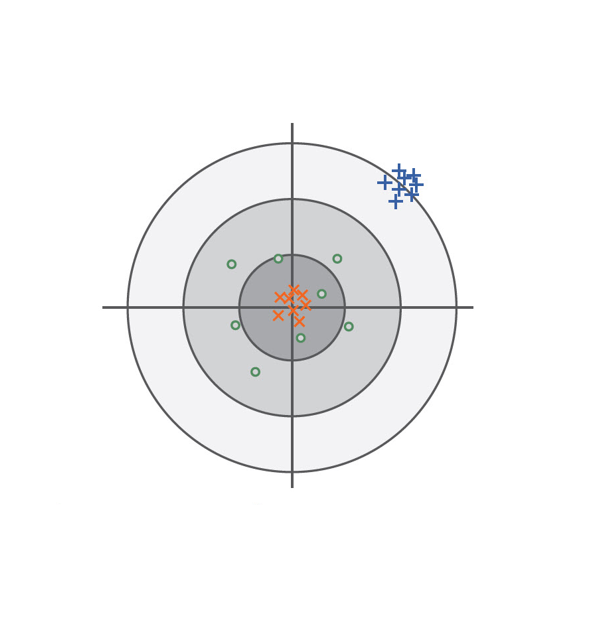
Components of a pressure transmitter
A pressure transmitter measures the physical quantity of pressure in liquids or gases and provides the measured value as an electrical signal. The interactive graphic on this page guides you to the most important information about the key elements of a pressure transmitter: In addition to the main functional design elements, these are the interfaces to the environment, the most important criteria for selecting a proper pressure transmitter and the most important performance characteristics. The core elements of a pressure transmitter are the measuring cell, i.e. the sensor in the closer sense, the process connection; the electronics for signal processing; the electrical connection as well as the enclosing housing.
Trafag pressure sensors are mainly based either on thin-film-on-steel technology with a welded sensor made of stainless steel and without an O-ring or on thick-film-on-ceramic technology. Both sensor technologies originate from Trafag's own in-house production and were developed together with the ASIC (application-specific microchip).
As a result, the pressure sensor and electronics are perfectly matched and achieve their unique long-term stability and reliability even under the most adverse environmental conditions in demanding applications.
Interfaces of a pressure transmitter
The most important interfaces to the outside are the process connection, i.e., the pressure connection side, and the electrical connection, also called the signal connection. In industrial applications, these interfaces are standardised. Depending on the industry and application, different interfaces are used. Today's pressure transmitters are available with a variety of process connections, output signals and electrical connections. Industrial sensors with different technologies enable measurement from a few mbar up to several thousand bar, with an accuracy of up to 0.1%.
From the electrical connection, which usually consists of a plug or a connection cable, the measured value output is either an analogue signal or a digital signal. The most common analogue output signals are 4 ... 20mA and 0 ... 10VDC.
The advantage of digital signals is the bidirectional communication, which enables diagnosis as well as easy configuration of the pressure measurement (e.g. change of the pressure measuring unit from bar to psi).
On the other hand, other physical measured variables can be provided in addition to pressure, such as temperature. In addition to electronic pressure transmitters with analogue and digital output signals, there are also electronic pressure switches. These do not output a measured value but have one or more transistor or relay outputs.
What specifications matter most when selecting a pressure transmitter?
The key specifications are the measuring range, pressure type, required accuracy, output signal, electrical connection and process connection, compatibility of the materials in contact with the medium, environmental conditions (for example temperature, vibration etc.) and any application-specific certifications or approvals.
Measuring range
The measuring range must match the pressure range of the application. Industrial sensors with different technologies enable measurement from a few mbar up to several thousand bar.
Pressure type
The required type of measurement is central to the selection of a suitable pressure transmitter. Depending on the application, the transmitter must measure absolute, relative, or differential pressure.
Accuracy
The desired accuracy determines how precisely the pressure transmitter must provide the measured pressure value. Depending on the sensor technology and application, industrial pressure transmitters can achieve an accuracy of up to 0.1%.
Output signal and electrical connection
The output signal and electrical connection must match the control system. Pressure transmitters are available with analogue and digital output signals. Common analogue output signals include 4...20mA and 0...10 VDC. More details in the section above.
Process connection
The process connection is the pressure connection side of the transmitter and must match the installation, pressure range, and medium. Pressure transmitters are available with a variety of process connections, as described in Interfaces.
Media compatibility and material
When selecting the material, the parts in contact with the medium must be chosen so that the material cannot be corroded by the medium. Corrosion of measuring cells and process connections, occasionally also of housings and electronics, is a frequent cause of pressure transmitter failure.
Environmental conditions and certifications
Depending on the area of application, compliance with certain standards and directives must be considered, such as railway standards, explosion protection standards, or ship approvals. Environmental influences must also be taken into account, including vibration, shock, water and dust, electromagnetic interference, ambient temperature, and the temperature of the measured medium.
Overpressure safety and pressure peaks
Very high pressure peaks are another frequent cause of defective pressure transmitters, especially in liquids. These pressure peaks often last only milliseconds but can be several times the normal measuring range and can destroy the sensitive diaphragm of the pressure transducer. Apart from special damping elements, the solution in such cases is often the selection of a pressure transmitter type with particularly high overpressure safety.
In addition to the pressure connection and the electrical connection, other criteria are central to the selection of a suitable pressure transmitter: The most important performance features for selecting a pressure transmitter are the measuring range, the required type of measurement (absolute, relative, or differential pressure) and the desired accuracy.
Depending on the area of application, compliance with certain standards and directives must be considered, such as railway standards, explosion protection standards or ship approvals. In addition, environmental influences must be taken into account: Vibrations, shock, water and dust, electromagnetic interference, ambient temperature, the temperature of the measured medium. When selecting the material, it is important that the parts in contact with the medium are chosen in such a way that the material cannot be corroded by the medium.
This is because corrosion of measuring cells and process connections, occasionally also of housings and the electronics, are frequent causes of failure of pressure transmitters.
Another cause of defective pressure transmitters are very high pressure peaks, as they occur especially in liquids. These pressure peaks, which often last only milliseconds, can be several times the normal measuring range and thus destroy the sensitive diaphragm of the pressure transducer. Apart from special damping elements, which act like an aperture in the process connection, the only solution in such cases is often the selection of a pressure transmitter type with particularly high overpressure safety.
Frequently asked questions about pressure transmitter specifications
What specifications matter most when selecting a pressure transmitter?
The key specifications are the measuring range, pressure type, required accuracy, output signal, electrical connection and process connection, compatibility of the materials in contact with the medium, environmental conditions (for example temperature, vibration etc.) and any application-specific certifications or approvals.
What is the difference between absolute, relative, and differential pressure measurement?
Depending on the application, a pressure transmitter must measure absolute, relative, or differential pressure. The required pressure type is one of the key specifications when selecting a suitable pressure transmitter.
Which output signals are common for pressure transmitters?
Pressure transmitters are available with analogue and digital output signals. Common analogue output signals include 4 ... 20 mA and 0 ... 10 VDC. Digital signals enable bidirectional communication for diagnosis and configuration of the pressure measurement.
What can cause pressure transmitter failure?
Frequent causes of pressure transmitter failure include corrosion of measuring cells, process connections, housings, or electronics, as well as very high pressure peaks. Pressure peaks often last only milliseconds but can be several times the normal measuring range and can destroy the diaphragm of the pressure transducer.
In our know-how section you will find further information on the above-mentioned aspects:
-
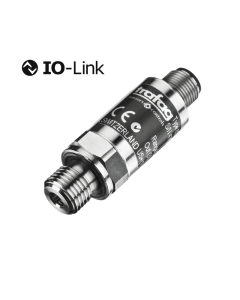 NAI 8273Out of stock
 -
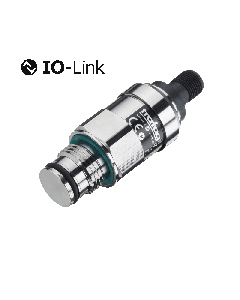 FPI 8237Out of stock
 -
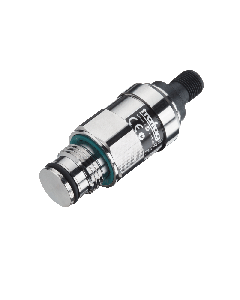 FPT 8236Out of stock
 -
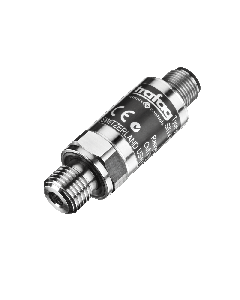 NHT 8250Out of stock
 -
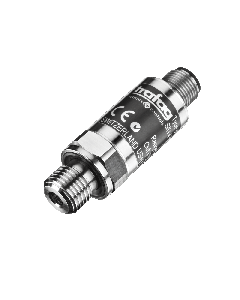 NAT 8252Out of stock
 -
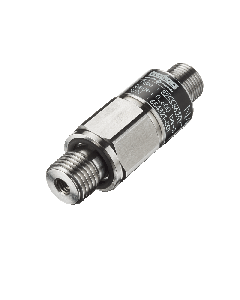 NAH 8253Out of stock
 -
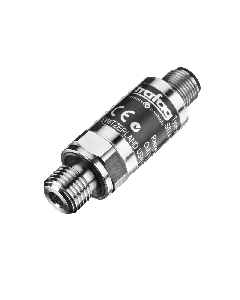 NAH 8254Out of stock
 -
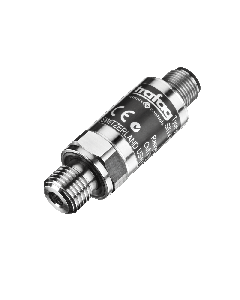 NAE 8256Out of stock
 -
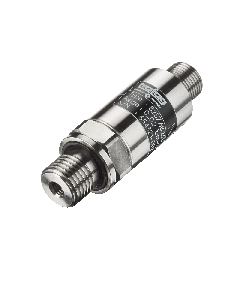 NSL 8257Out of stock
 -
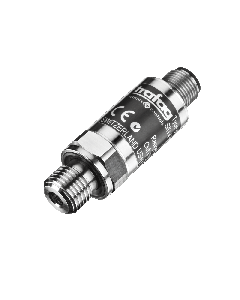 NAR 8258Out of stock
 -
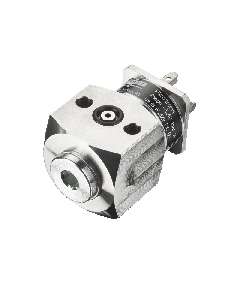 NPN 8264Out of stock
 -
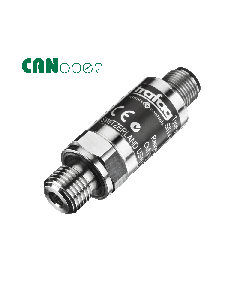 CMP 8271Out of stock
 -
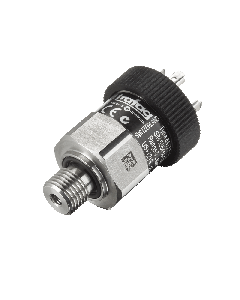 EPR 8283Out of stock
 -
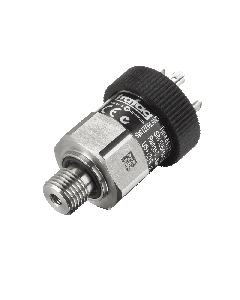 EPI 8287Out of stock
 -
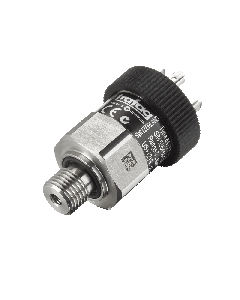 EPN 8288Out of stock
 -
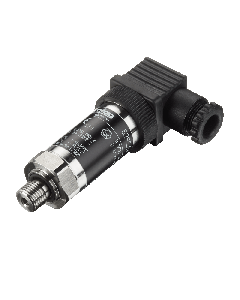 EXNT 8292Out of stock
 -
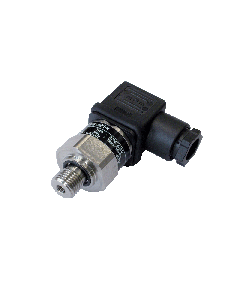 EPR 8293Out of stock
 -
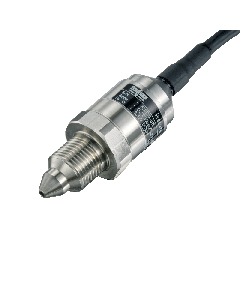 EPN/EPNCR 8298Out of stock
 -
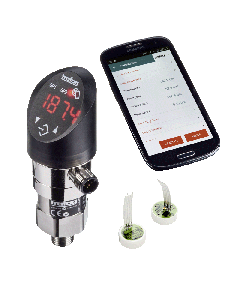 DPC 8380Out of stock
 -
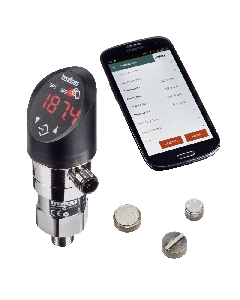 DPS 8381Out of stock
 -
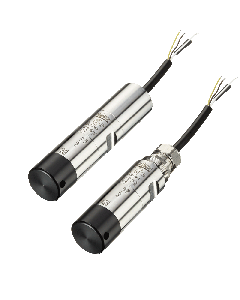 ECL 8439Out of stock
 -
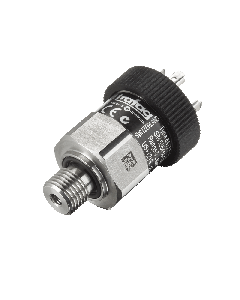 ECT 8472Out of stock
 -
 ECT 8473Out of stock
 -
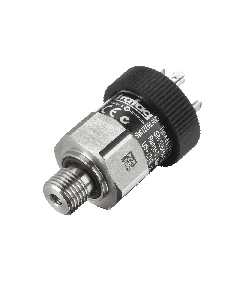 ECTN 8477Out of stock
 -
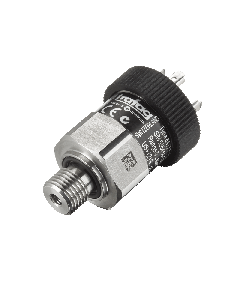 ECR 8478Out of stock
 -
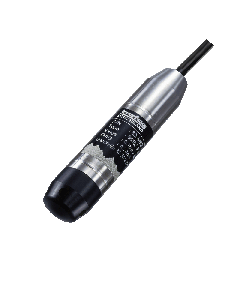 NAL 8838Out of stock
 -
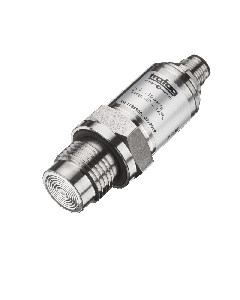 ESH 8845Out of stock
 -
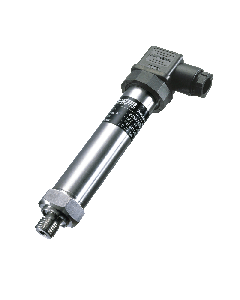 EXNA 8852/8853Out of stock
 -
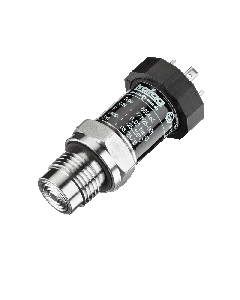 EXNA 8854Out of stock
 -
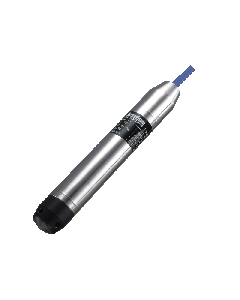 EXNAL 8858Out of stock
 -
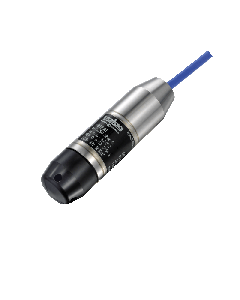 EXNAL 8859Out of stock
 -
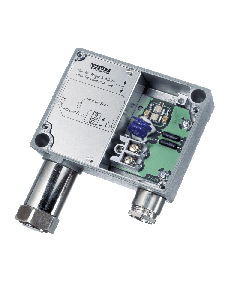 N 8202Out of stock
 -
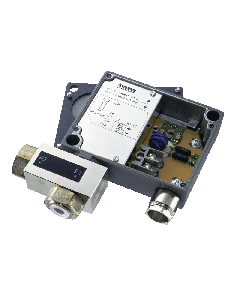 ND 8204Out of stock
 -
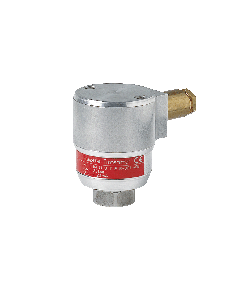 H 8212/8213Out of stock
 -
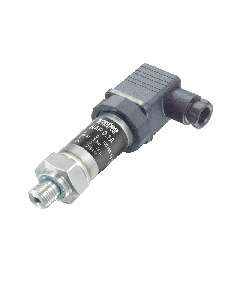 NAP 8842/8843Out of stock
 -
 EPN-S 8320Out of stock
 -
 CMP 8270Out of stock
Your expert
Sebastian Sattler
Product Manager in Pressure Sensing Technology
Dipl. Ing. FH (Industrial Engineering)