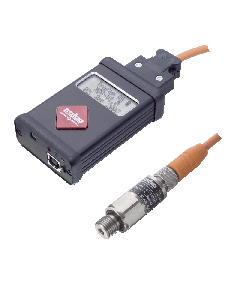
Railway standards for pressure transmitters:
requirements, challenges and solutions
Electronic components in railway vehicles are exposed to extreme conditions: severe temperature fluctuations, continuous vibrations, electromagnetic interference, and stringent safety requirements. To ensure reliable and safe operation over many years, the railway industry is governed by specific standards. For pressure transmitters, this means they must not only provide accurate measurements but also maintain long-term stability under the harshest environmental conditions. Compliance with relevant railway standards is therefore a fundamental prerequisite for use in modern rolling stock.
The EN 50155 standard defines the basic environmental and operating conditions for electronic equipment used in railway vehicles. It is the most important reference for the development and qualification of pressure transmitters in the railway sector. In addition to EN 50155, pressure transmitters must withstand mechanical stresses according to EN 61373, electromagnetic disturbances according to EN 50121-3-2, and comply with fire protection requirements specified in EN 45545-2.
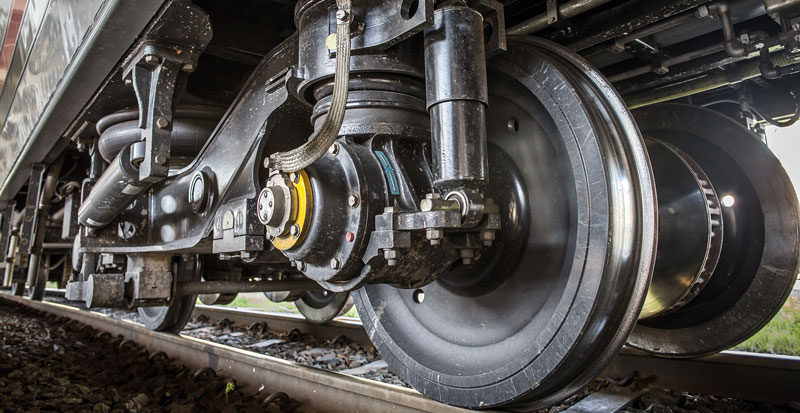
Many components in the railway market are advertised as “EN 50155 compliant.” However, this statement alone is insufficient. What truly matters is not only compliance with the standard but also how its requirements affect the functionality, measurement accuracy, and service life of a pressure transmitter. In real-world operation, several stresses occur simultaneously: temperature cycling, vibration, electrical interference, and safety-related requirements. A sensor can only be considered reliable over the long term if it can withstand all these factors in combination. For pressure transmitters, this results in specific technical implications. Extended temperature ranges (up to −40 °C to +85 °C, Class TX) influence the drift behavior of sensing elements as well as the signal stability of the electronic evaluation circuitry. Thermally induced effects such as material expansion and mechanical stresses can lead to permanent shifts in the sensor characteristic curve, particularly under cyclic temperature changes.

Trafag addresses these influences by using Thin-Film-on-Steel sensor elements, which are characterized by high mechanical stability and minimal temperature-induced drift. Combined with dedicated electronic compensation, this ensures a stable sensor characteristic and reproducible measurement performance throughout the entire service life, even under repeated thermal load cycles.
To ensure that pressure transmitters do not merely claim “EN 50155 compliance” but truly fulfill the requirements of EN 50155 and are suitable for railway applications, it is essential to consider not individual parameters but their interaction during railway operation. In practice, environmental stresses occur simultaneously. For pressure transmitters, the combined consideration of temperature, vibration, and EMC requirements necessitates robust design, stable signal processing, and long-term reliability under dynamic operating conditions.
Trafag pressure transmitters are developed for railway applications in accordance with EN 50155, while specific environmental requirements are addressed through additional standards. Resistance to shock and vibration is tested according to EN 61373, which is critical for maintaining stable pressure measurements under mechanical stress. Electromagnetic compatibility is verified according to EN 50121-3-2 to prevent signal disturbances and measurement deviations caused by electrical influences. These tests directly impact the reliability and accuracy of pressure measurement in railway applications.
When selecting a railway pressure transmitter, precise and comprehensive technical datasheets are essential. The various test levels must be clearly documented and the achieved performance level must be presented in a transparent and understandable manner.

In addition to functionality, safety plays a central role in railway vehicles. EN 45545-2 regulates the fire behavior of materials and components used in rolling stock. It defines requirements regarding flammability, smoke generation, and the toxicity of combustion gases.
For pressure transmitters, these requirements primarily apply to housing materials, cables, and connectors. Only components that meet these requirements are approved for use in the railway sector.
Railway vehicles are continuously exposed to mechanical stresses. EN 61373 specifies test procedures for long-term vibration as well as mechanical shocks, such as those occurring during coupling operations.
Accordingly, pressure transmitters must be designed to prevent measurement drift caused by vibration and to ensure the long-term stability of mechanical components. High vibration resistance is particularly important in applications such as braking, hydraulic, and pneumatic systems.
Modern trains contain numerous high-power electrical systems that can generate electromagnetic interference. EN 50121-3-2 ensures that equipment is immune to external electromagnetic influences and does not itself generate unacceptable emissions.
This is particularly relevant for pressure transmitters, as analogue output signals (e.g., 4–20 mA) can be susceptible to interference. Measurement accuracy may also be affected in EMC-intensive environments. High EMC immunity is therefore a key factor in ensuring stable and accurate pressure measurements in railway applications.
Certified in-house calibration laboratories, such as those operated by Trafag, enable pressure transmitters to be tested and calibrated under controlled conditions before being deployed in railway applications. This allows measurement accuracy and signal behavior to be specifically verified and optimized for the intended application. For railway customers, this means consistent results, traceable test data, and shorter coordination processes, as modifications and validations can be carried out without involving external laboratories. This facilitates technical evaluation and supports the approval process.
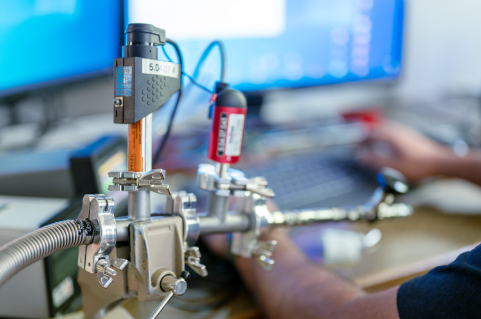
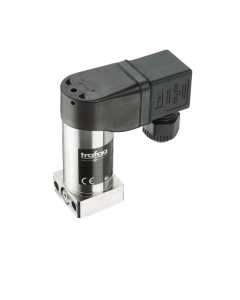
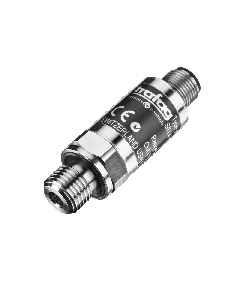
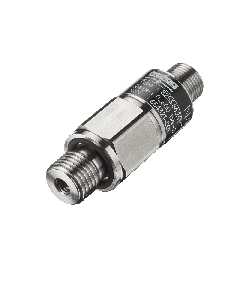
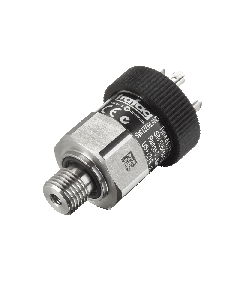
Trafag pressure transmitters are well suited for railway applications because they are specifically designed and tested to meet the relevant standards and operating conditions of the railway industry. Their design is based, among others, on EN 50155 and supplementary standards covering EMC, shock, and vibration. This ensures stable operation under typical railway stresses such as temperature cycling, mechanical loads, and electrical interference. In addition, defined accuracy classes, specified temperature ranges, and robust sensor technologies ensure reproducible measurement performance even under dynamic operating conditions. Typical applications include braking systems, HVAC systems, compressed air systems, water systems, and cooling circuits. Depending on the application, both analogue output signals and digital interfaces such as CANopen are available, enabling flexible integration into modern vehicle architectures. The combination of standards-compliant testing and clearly specified technical data simplifies integration into railway-specific subsystems and facilitates evaluation during approval processes—ultimately contributing to safe and reliable railway operation.