Case study:
Robust pressure measurement for the Smart Train
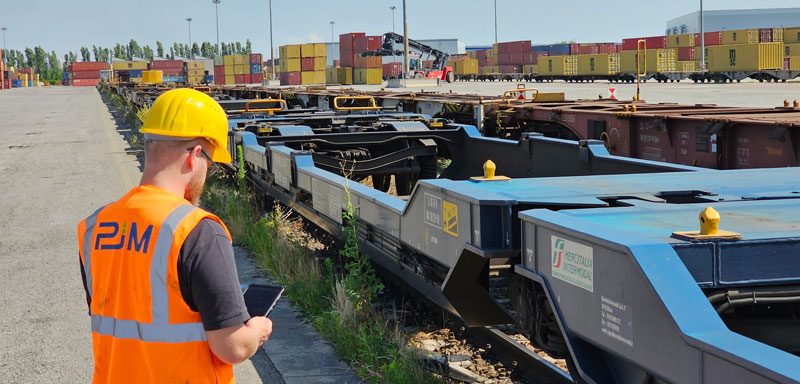
«While modern units for mulitple passengers are typically equipped with monitoring and automation systems by the manufacturer, the digitalisation of freight trains is considerably more challenging.»
Felix Egger-Cimenti, Head of Project Management and Procurement at PJ Monitoring GmbH
PJ Monitoring relies on the Trafag CMP 8271 CANopen miniature pressure transmitters in the WaggonTracker. WaggonTracker is helping to digitalize rail freight operations through continuous monitoring of brake and vehicle data, enabling automated inspection processes and condition-based maintenance. The rugged CMP 8271 pressure transmitters deliver precise measurements even under extreme environmental conditions and significant changes in altitude, contributing to the early detection of brake-related issues. As a result, safety, availability, and operational efficiency are improved, while maintenance costs and unplanned downtime are reduced.
In today’s rail freight industry, safety, availability, and efficiency are key factors in maintaining competitiveness. As one of the most energy- efficient and environmentally friendly modes of transportation, rail plays a central role in sustainable logistics strategies. At the same time, the industry faces significant cost and scheduling pressures: freight cars must remain reliably available, inspection processes need to be faster, and unplanned stops during transit must be minimized whenever possible. Digital condition monitoring and automated inspection processes address these challenges directly. They reduce the effort required for manual inspections, provide full visibility into the condition of every individual railcar, and enable condition-based maintenance. With WaggonTracker, PJ Monitoring transforms individual freight cars into intelligent, connected assets, effectively turning the freight train into a Smart Train. The system monitors critical vehicle functions, automates inspection processes, and provides relevant operational data in real time. For brake monitoring, the Austrian rail technology company relies on Trafag’s rugged CMP 8271 CANopen miniature pressure transmitters. These sensors measure brake line pressure accurately and reliably, even under conditions involving vibration, harsh weather, and significant variations in temperature and altitude.
Rail freight is one of the most energy-efficient and environmentally friendly modes of transportation. Thanks to the low rolling resistance of steel wheels on rails, freight trains are significantly more energy-efficient than road transport, generate substantially lower CO2 emissions per ton-mile, and can consolidate large shipment volumes. Depending on its length and load, a single freight train can replace up to 52 trucks. In addition, because a large share of rail freight services is powered by electricity, rail plays a central role in sustainable logistics strategies.
At the same time, rail freight transportation must be integrated more closely into tightly scheduled supply and production chains. High on-time performance, predictable operations, and reliable condition data are therefore becoming critical prerequisites for cost-effective rail transport. In addition, the industry faces significant cost and time pressures: inspection processes need to be faster, maintenance must become more predictive, and unplanned stops during transit should be avoided whenever possible.
This is exactly where digital monitoring and automation systems come into play. They reduce the effort required for manual inspections, provide full visibility into the condition of every individual railcar, support automated processes, and enable conditionbased maintenance. In doing so, they make an important contribution to improving the competitiveness, speed, and safety of rail freight operations.
PJ Monitoring, part of the PJM Group, specializes in the digitalization of rail freight transportation. With its WaggonTracker system, the company is among the pioneers of integrated digital solutions for monitoring and automated applications in freight trains. The system combines comprehensive condition monitoring with automated inspection and operational processes, transforming individual freight cars into connected components of a Smart Train.
«The CMP 8271 reliably delivers accurate readings of current brake line pressure, regardless of altitude.»
Felix Egger-Cimenti, Head of Project Management and Procurement at PJ Monitoring GmbH
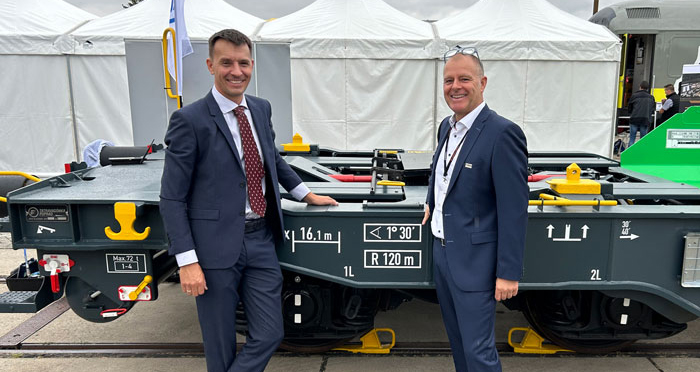
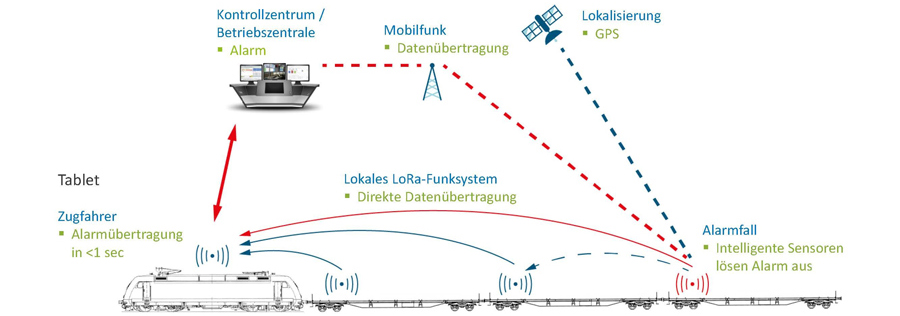
The WaggonTracker connects individual freight wagons into digitally connected train formations. Automated inspections, load monitoring, and component surveillance help ensure wagon readiness and operational reliability. This enables operators to avoid unplanned stops and the removal of individual wagons from service during transport.
WaggonTracker gathers its information from sensors installed on individual freight wagons. However, the operating environment of rail freight presents a number of unique challenges. “While modern passenger trains are usually equipped with monitoring and automation systems as standard, the digitalisation of freight trains is far more demanding,” says Felix Egger-Cimenti, Head of Project Management and Procurement at PJ Monitoring GmbH. “Freight wagons are constantly being assembled into different train formations and typically operate without access to an onboard power supply.”
The breakthrough came with PJ Monitoring’s compact and rugged axle-mounted generator. By generating electrical power directly while the wagon is in motion, it enables the autonomous operation of onboard electronics and forms the basis for digital monitoring of freight wagons.
Brake systems are essential to the safe operation of railways. At the same time, they represent a significant share of maintenance costs. In freight service, these systems are subjected to demanding conditions, including long journeys, variable weather, constant vibration, track impacts, and changing infrastructure conditions, all of which place high demands on both brake components and the systems used to monitor them.
Before a train can depart, the brakes on every wagon must be checked. WaggonTracker helps automate this traditionally labour-intensive process, enabling inspections to be completed more quickly and efficiently. Yet brake-related issues can still occur during operation or after extended periods of inactivity, such as problems with the compressed- air system or wheels remaining locked under braking. The resulting effects range from accelerated wear and tear to potentially safety-critical incidents.
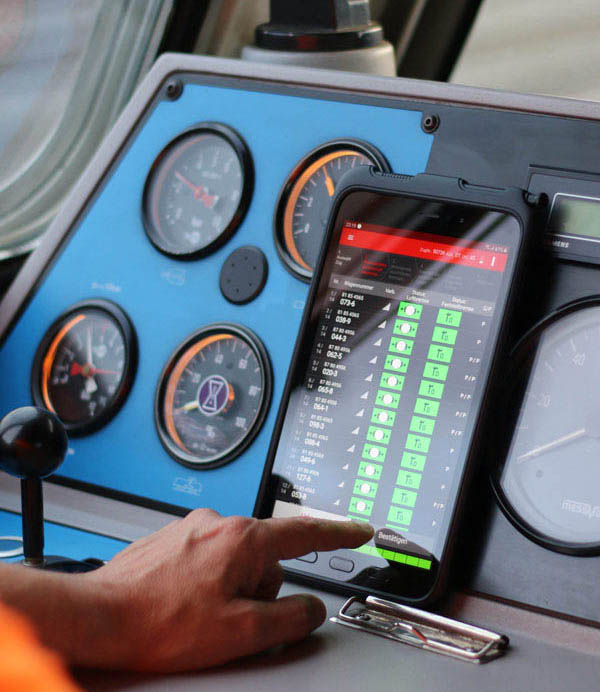
To address these challenges, PJ Monitoring provides continuous brake system monitoring with real-time brake performance analysis. The system measures brake pipe pressure together with brake application and release times, and calculates the braking energy of each bogie in real time. Data is evaluated through a web-based portal, while important alerts and warnings can be transmitted directly to the driver via the WaggonTracker mobile device.
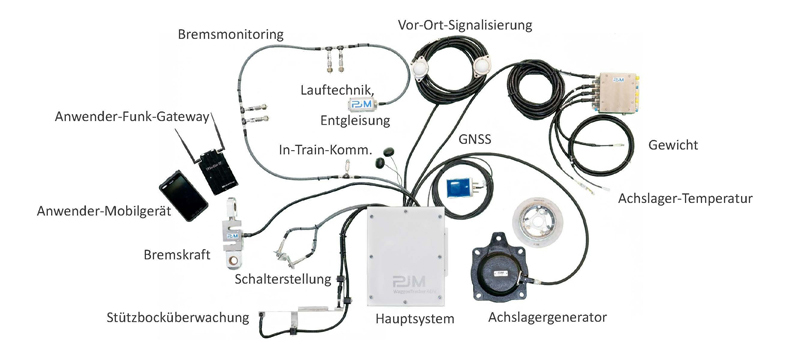
The system enables the early detection of overloaded, faulty or worn brakes, as well as potential operational errors. It also supports preventive maintenance by helping operators identify the root causes of wheelset damage, wheel flats and increased wear of brake components at an early stage.
Each wagon is equipped with up to nine pressure transmitters that monitor pressures in the main brake pipe, brake cylinder and load-proportional control valve. The system also supervises the status of the handbrake, the configured brake mode, and the brake activation and isolation state.
From this data, it is possible to determine whether the required pressure levels and charging times are being maintained, both of which are key indicators of correct brake system performance. Different braking events, including service braking, full-service braking and emergency braking, can also be analysed and traced. The calculated braking energy provides valuable insights into thermal loading, the wear of running gear components, bogie loads and potential overloading conditions. The pressure transmitters employed for brake monitoring are required to cover a pressure range from -1 to 6 bar. In the WaggonTracker system, communication between the various onboard devices takes place via a CAN bus network, making a suitable CAN interface one of the key criteria in the sensor selection process.
Environmental conditions were equally important. “The sensors, which are typically mounted on the outside of the vehicle, are exposed to wind, weather and debris kicked up from the track, often over many years of service,” explains Felix Egger-Cimenti. “That is why the requirements for robustness are just as demanding as those for measurement accuracy.”
The solution chosen was Trafag’s CMP 8271 CANopen miniature pressure transmitter, specified with a pressure measuring range of -1 to 6 bar.
“The CMP 8271 is a proven, rugged device that offers high measurement accuracy and is designed for demanding applications in harsh environments, such as mobile hydraulics,” explains Markus Degasperi, Managing Director of Trafag Österreich GmbH. “It is specified for media and ambient temperatures ranging from -40 °C to +125 °C.”
Installation is straightforward, with electrical connection provided via a five-pin M12 connector. The EPDM seal offers excellent resistance to weathering, UV radiation, ozone, acids and alkalis, as well as outstanding temperature resistance.
Via the CAN bus, the CMP 8271 can communicate at data rates from 10 kbit/s up to 1 Mbit/s and supports all common data types. The baud rate is configured automatically. In addition, the device features an auto-start mode for operation without a master node, as well as fault monitoring through heartbeat technology. The firmware can be updated via flash updates, including remote updates, while application and communication parameters are stored separately.
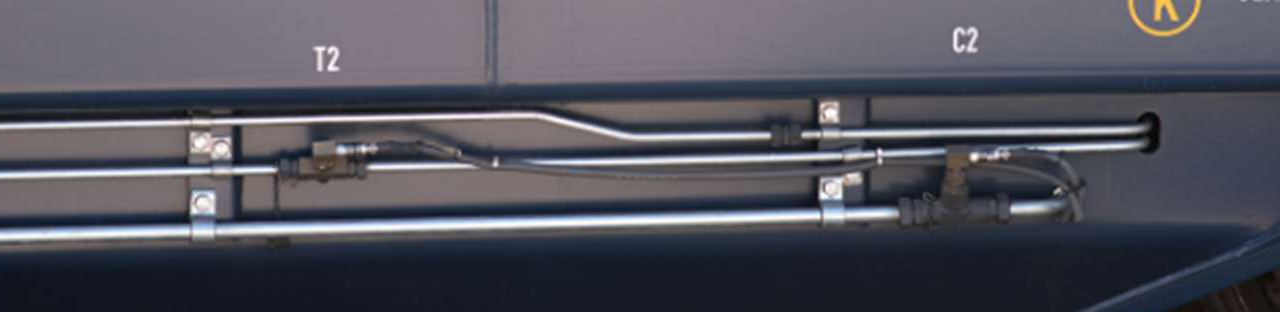
In European rail freight operations, wagons are often required to cope with significant changes in altitude, particularly on transalpine routes. For brake line pressure measurement, it must make no difference whether a wagon is standing at sea level in the Port of Trieste or passing through the Tauern Tunnel 1,226 metres higher. “The CMP 8271 meets all of our requirements in this respect as well,” confirms Felix Egger-Cimenti. “It reliably delivers accurate brake line pressure readings regardless of altitude.” As a result, the pressure transmitter contributes to the early detection of brake faults. In the event of a malfunction, the driver can be alerted immediately. This supports more efficient operations, reduces wheelset wear, and enables preventive maintenance of brake shoes.
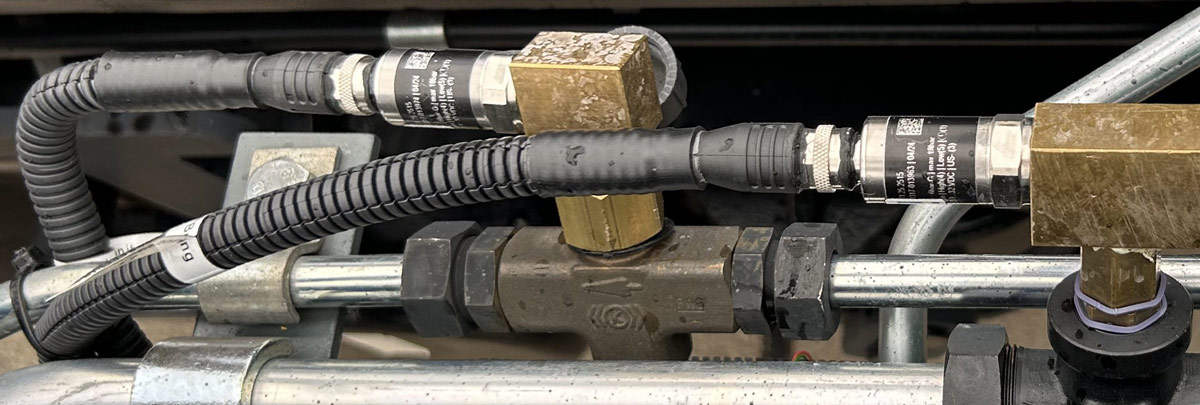
By combining WaggonTracker with Trafag’s pressure sensing technology, PJ Monitoring has created a platform for continuous and reliable brake system monitoring in freight trains. This gives operators greater transparency regarding vehicle condition, streamlines inspection processes and enables more effective maintenance planning. All of these benefits increase transport reliability while simultaneously reducing operating costs. As a result, the solution enhances the competitiveness of rail freight transport, delivering advantages not only for operators but also for the environment and the climate. Leading rolling stock manufacturers have already begun integrating the PJM system with Trafag sensors as a standard feature in new freight wagons. Wagon owners and leasing companies have likewise started retrofitting existing fleets during routine workshop visits
About PJM
PJ Monitoring GmbH, based in Graz, Austria, develops systems for the digitalisation and automation of rail freight transport. The company is part of PJM, an internationally active rail systems specialist. With around 90 employees, the PJM Group has successfully delivered projects in 30 countries across six continents.
Information about the CMP 8271 pressure transmitter
| Switching points | Up to five for mechanical monitors; up to four for hybrid variants |
| Switching accuracy | ±10 kPa at 20 °C |
| Switching span | Up to 250 kPa |
| Measurement principle | Monitor: Density-based system with sealed reference chamber Sensor: Density-based system with quartz oscillator |
| Gas compatibility | Calibrated for defined SF₆ or alternative gas mixtures |
| Hybrid | Independent continuous density measurement path |